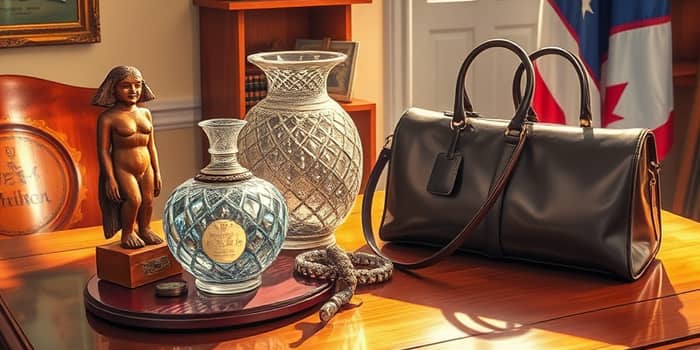
In a world that increasingly values the tangible, the market for antiques, vintage items, and collectibles has reached unprecedented heights. The year 2026 is poised to be a watershed moment as a blend of cultural curiosity, economic foresight, and technological innovation reshapes how individuals engage with history through objects. This exploration not only charts the financial benefits of collecting but also celebrates the human stories and craftsmanship inherent in each piece.
Whether you are a seasoned collector or taking your first steps into the realm of heirlooms and relics, understanding the forces driving this market is essential. By combining passion with practical strategies, you can navigate the landscape of valuations, avoid potential pitfalls, and find objects that resonate with both personal meaning and investment potential.
The antiques and collectibles sector is experiencing a robust expansion, fueled by sustainability trends and eco-conscious buying, the allure of history, and the search for unique decor. In 2023, the broader collectibles market was estimated at between $300 billion and $450 billion, while the online resale of furniture reached $34 billion. These numbers are projected to climb sharply, reaching nearly $56 billion by 2030.
Second-hand luxury goods commanded $44.7 billion in 2023 and are expected to surpass $98.3 billion by 2031, a testament to the enduring appeal of high-end brands in a preloved context. In the United Kingdom alone, the antiques market is forecast to grow from £724.7 million in 2024 to over £1.3 billion by 2033, reflecting a steady 15% annual rise anticipated into 2025 and 2026.
Several factors drive this momentum. Peer-to-peer resale platforms have democratized access to obscure finds, while online auctions and virtual showrooms broaden geographic reach for buyers and sellers alike. At the same time, economic uncertainties have prompted investors to seek tangible asset investments that endure beyond volatile financial markets, making collectibles a promising portfolio component.
Analysts predict that 2026 will be a defining year, as younger generations redefine collecting priorities and bring fresh energy into auction houses, galleries, and online platforms. At the same time, retiring collectors will pass on expertise and prized holdings, accelerating market activity and depth.
The profile of the modern collector is diversifying rapidly. Key demographic changes include:
These shifts reflect more than mere purchasing power. Younger buyers are driven by a desire to reduce waste and celebrate heritage, viewing each object as a statement of identity. Social media channels amplify this trend by showcasing curated interiors that blend antique finds with contemporary pieces, inspiring wide audiences and reshaping taste.
Meanwhile, retiring collectors are eager to mentor emerging enthusiasts, hosting estate sales, writing memoirs, and donating to museums. This intergenerational exchange enriches the market, as long-forgotten items resurface in new contexts, often at surprising valuations.
Demand is coalescing around categories prized for craftsmanship, provenance, and cultural resonance. Among the most sought-after are Americana and patriotic artifacts—vintage flags, carved folk art, and historic lithographs that echo national stories and family legacies.
Another spotlight shines on Art Nouveau and Art Deco glass, with luminescent vases and whimsical figurines by Gallé, Lalique, and others commanding attention for their delicate forms and vibrant hues. Interiors styled for warmth and nostalgia often feature these pieces as focal points.
In the realm of fashion, rare vintage designer accessories continue to exceed expectations. Rare Hermès scarves, Tiffany brooches, and Gucci handbags not only showcase masterful craftsmanship but also enjoy robust resale prices driven by brand heritage.
Collectors of fine art prize original fine art paintings across genres—from serene pastoral scenes to daring abstracts—valued for proven authenticity rather than mere decorative match. Provenance documentation, from gallery receipts to exhibition catalogs, greatly enhances market value.
Finally, the revival of Victorian and Edwardian decor speaks to a longing for ornate detailing and historical depth. Furniture, textiles, and metalwork from the late 19th and early 20th centuries lend homes a sense of narrative continuity that mass-produced designs cannot replicate.
Securing true value in collectibles hinges on rigorous authentication. A multilayered approach blends traditional examination with cutting-edge science. Key stages include:
Visual inspection remains foundational: evaluating surface wear, patina, tool marks, and age-related inconsistencies. Physical analysis, such as hand-crafted joinery or stitching, offers vital clues to an item's origins and age. For serious investments, technical validation can provide an unambiguous verdict.
Complementing these methods is meticulous provenance research. Tracing an object's journey through auction catalogs, gallery receipts, and expert appraisals can transform ambiguity into assurance. Even a well-documented sticker or faint label can unlock the backstory that cements an item's legitimacy.
By integrating scientific analysis with documentary evidence, collectors can build a robust defense against sophisticated forgeries. In the process, they forge deeper connections with the pieces they acquire, understanding not only their material composition but their journey through time.
Despite technological advances, forgeries remain widespread. Recognizing warning signs and following a structured validation path can protect collectors and investors alike.
A recommended workflow begins with a basic loupe or magnifying glass to inspect any marks or irregularities. Next, employ UV light to reveal hidden repairs or modern materials. A digital microscope can then zoom in on fine details before commissioning professional lab analysis for high-value finds. Finally, corroborate all findings with respected appraisers and archival research.
Digital transformation is accelerating the collectibles market. Blockchain-driven provenance records and transparency offer immutable ownership trails, reducing uncertainty and boosting buyer confidence. Meanwhile, AI-powered analysis can detect stylistic anomalies and predict emerging trends, guiding acquisitions with data-driven insights.
Virtual and augmented reality experiences are also on the rise. Prospective buyers can now tour gallery spaces from home, interact with 3D models of objects, and even simulate placement within their own interiors. This fusion of the physical and digital realms opens new avenues for engagement and discovery.
Looking ahead to 2026, a hybrid marketplace model is expected to dominate, where in-person exhibitions coexist seamlessly with online auctions and global bidding platforms. This convergence not only broadens access but also deepens engagement, as collectors connect across borders in real time.
Investing in antiques and collectibles can yield both emotional satisfaction and financial returns, but it carries inherent challenges. To build a resilient collection, consider these strategies:
Ultimately, the most successful collectors combine passion with prudence. By embracing connoisseurship and scientific rigor, you can curate a collection that honors historical craftsmanship while anticipating future appreciation.
The momentum driving the antiques and collectibles market into 2026 is rooted in a desire for authenticity, sustainability, and personal storytelling. As new generations enter the field and technology continues to evolve, opportunities abound for those who approach collecting with curiosity, care, and a commitment to uncovering the true history behind each object.
Whether you seek a studio painting with hidden provenance, a piece of Art Deco glass that captures morning light, or a storied flag that evokes collective memory, the principles of thorough authentication and thoughtful investment remain constant. Embrace the journey, share your discoveries, and contribute to a vibrant global community that treasures the past and shapes the future.
References