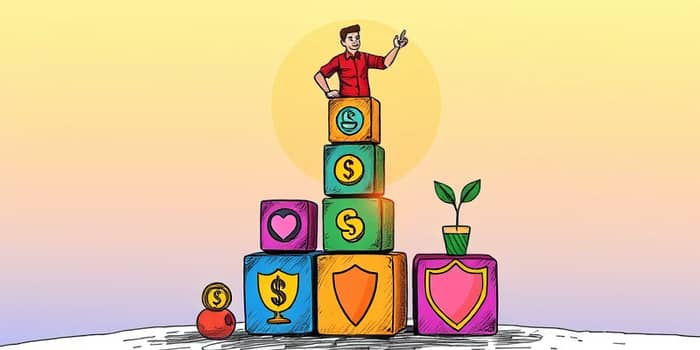
In today's fast-paced world, managing money often feels like navigating a storm without a compass.
But imagine transforming your finances into a well-designed personal economy that brings clarity and control.
This holistic approach treats your financial life as a living framework for enduring stability.
By structuring every aspect, from income to investments, you build a resilient system that adapts with you.
It's about creating a foundation that supports your dreams and shields you from life's uncertainties.
A personal economy is more than just budgeting; it's a comprehensive financial ecosystem.
Think of it as a household's infrastructure, balancing inflows, outflows, reserves, growth, and safeguards.
This framework evolves with life changes, integrating all components into a cohesive whole.
Start by viewing your money not as scattered pieces but as an interconnected system designed for long-term security.
Every strong economy begins with a solid foundation, and budgeting is yours.
It serves as the financial blueprint that guides how you allocate resources each month.
Track income and expenses meticulously to understand your cash flow patterns.
Use tools like apps or spreadsheets to automate tracking and stay disciplined.
Beyond budgeting, several key pillars support your personal economy's integrity.
Each component interlinks to create a robust structure that withstands shocks and fuels growth.
This table outlines the essential elements that form your financial backbone.
Implementing your personal economy requires actionable steps and commitment.
Follow this structured approach to transform theory into practice.
These steps create a roadmap for financial empowerment and progress.
Many individuals stumble on their financial journey due to avoidable mistakes.
Stay vigilant to these pitfalls to maintain your economy's stability.
By addressing these early, you fortify your financial framework against common threats.
Adopting a personal economy framework yields profound rewards beyond mere numbers.
You gain control over your finances and the ability to absorb life's shocks with grace.
Progress toward goals becomes measurable, fueling motivation and confidence.
These outcomes transform money management from a chore into a source of pride and stability.
Your personal economy is not static; it's a living system that grows with you.
As you navigate different life stages, adjust your strategies to stay aligned with your priorities.
Regular monitoring and stress testing for factors like inflation or market volatility keep your framework robust.
By embracing this evolutionary mindset, you ensure your finances remain resilient and purposeful.
Start today by taking one small step, and gradually design the economy that fuels your dreams.
With patience and persistence, you can build a financial legacy that lasts a lifetime.
References