In an era defined by rapid change, the pursuit of economic prosperity must align with environmental protection. The concept of green growth offers a hopeful vision: a world where human ingenuity and natural systems coexist in harmony. This comprehensive guide explores how societies can foster economic growth and development while securing a sustainable future for generations to come.
By examining core principles, the decoupling imperative, financing challenges, and actionable strategies, we aim to inspire readers and provide practical guidance on mobilizing the trillions needed to achieve the Sustainable Development Goals by 2030.
Green growth emerged in 2005 when South Korean economist Rae Kwon Chung coined the term at UNESCAP. At its heart, it advocates making growth processes resource-efficient, cleaner and more resilient without sacrificing economic momentum. Unlike anti-growth movements, green growth reimagines development pathways to ensure that natural assets continue to supply vital ecosystem services.
It represents a subset of sustainable development that zeroes in on innovation, investment, and competitive markets driving new sources of growth. By integrating social equity and environmental stewardship, green growth not only reduces poverty but also enhances public health by minimizing pollution-related ailments.
A cornerstone of green growth is absolute decoupling: achieving GDP growth while lowering environmental pressure. This shift demands that economies break free from traditional resource-intensive models, ensuring that greenhouse gas emissions decline even as markets expand.
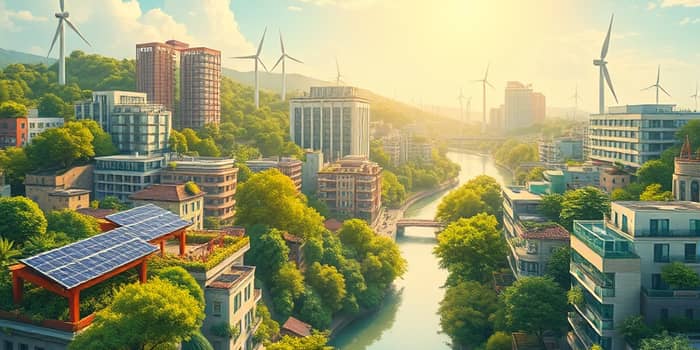
Decoupling relies on a two-pronged approach: improving energy and resource efficiency, and transitioning to low-carbon technologies. Success stories include nations investing heavily in renewable energy, ramping up sustainable agriculture, and enforcing strict pollution controls.
Despite growing commitments, global financing for sustainable development falls short. From 2015 to 2022, total funds rose from USD 4.31 trillion to USD 5.24 trillion—a 22% increase. Yet annual requirements to meet the SDGs swelled from USD 6.81 trillion to USD 9.24 trillion, creating a staggering substantial financing deficit.
Current estimates place the annual SDG funding gap at USD 4 trillion, potentially climbing to USD 6.4 trillion by 2030 if unaddressed. Low-income countries bear the heaviest burden, as rising interest rates and debt service obligations cannibalize resources for health, education, and climate action.
Mobilizing these diverse streams is critical to bridge the financing gap. Yet, aligning public policies, regulatory frameworks, and investor expectations remains a significant hurdle.
To close funding shortfalls, nations and institutions must embrace innovative instruments. Blended finance can pool public concessional capital with private investments, reducing risk and driving capital into emerging green sectors. Digital platforms and transparent data portals help track climate finance flows, ensuring accountability and effectiveness.
Reforming multilateral development banks and aligning OECD country policies with SDG targets enhances the investment climate in developing economies. Strengthening domestic resource mobilization through tax reforms, improved governance, and anti-corruption measures also unlocks critical funds.
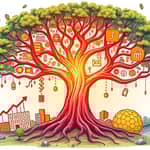
Green growth requires a fundamental transformation of economic structures. Businesses must integrate environmental costs into decision-making, transition supply chains to sustainable practices, and invest in circular economy models.
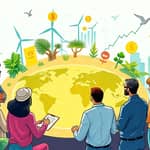
No single actor can achieve green growth alone. Governments, businesses, financial institutions, and civil society must form strategic partnerships. Initiatives like COP29 commitments—pledging USD 120 billion annually by 2030 for climate finance in low- and middle-income countries—exemplify the power of collaboration.
Engagement at the grassroots level is equally important. Community-led conservation, smallholder farmer cooperatives, and local renewable energy projects demonstrate how sustainable development financing can drive tangible benefits in people’s lives.
Green growth is both an imperative and an opportunity. By investing in clean technologies, reforming policy frameworks, and mobilizing capital at an unprecedented scale, we can create resilient economies that thrive alongside healthy ecosystems.
Every stakeholder has a role to play. Policymakers must enact clear, ambitious regulations. Investors need to prioritize ESG criteria and patient capital. Businesses should innovate with sustainability at their core. Citizens can support green products, demand transparency, and hold leaders accountable.
As we navigate the complexities of the 21st century, let us seize the moment to chart a course toward prosperity that honors our planet. The path of green growth is challenging but far more rewarding than business as usual. Together, we can finance a future where economic success and environmental well-being go hand in hand.
References