In an era of rapid change and economic uncertainty, mastering the balance between efficient expense management and growth has never been more critical. Organizations and individuals alike must learn to spend wisely and then channel those savings into opportunities that yield meaningful returns.
This article explores how to achieve real-time visibility into spending, eliminate waste, and redirect resources into high-impact investments. By adopting strategies rooted in data and mindfulness, you can build lasting financial resilience.
At its core, smart spending goes beyond mere cost-cutting. It focuses on aligning every dollar spent with clear objectives and measurable outcomes. By tracking expenses in real time, you gain insight into areas of overspend and inefficiency, allowing you to make deliberate adjustments.
When teams across an organization embrace transparent spending practices, they promote accountability and reduce the likelihood of impulse purchases or redundant subscriptions. This culture shift not only curbs costs but also fosters a shared commitment to financial health.
These tangible gains demonstrate that strategic expenditure is a doorway to both stability and growth. By identifying patterns—seasonal spikes, redundant tools, or overstaffed departments—you can negotiate better terms or eliminate unnecessary spending altogether.
Once waste is trimmed, the next step is to allocate those freed-up funds into areas that generate sustained value. This requires a structured approach that balances short-term needs with long-term ambitions.
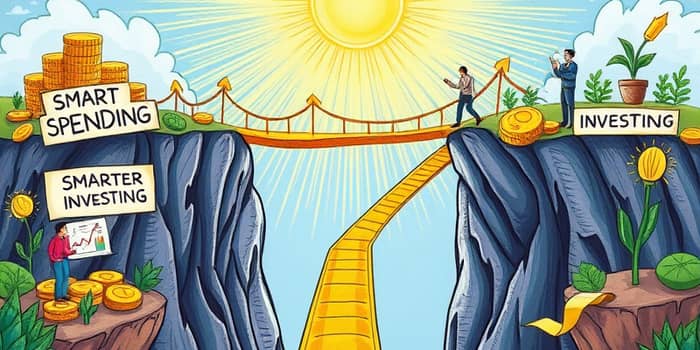
Bridging the gap between optimized spend and growth ensures that efficiency translates into competitive advantage. Whether you’re allocating capital to infrastructure upgrades or upskilling your workforce, every investment should be evaluated through a clear ROI lens.
This disciplined cycle of review and reallocation fosters sustainable profitability and organizational resilience. By reinvesting in areas with proven impact, you create a virtuous cycle of continuous improvement.
To illustrate the power of spending optimization and strategic investment, consider these long-term output increases when resources are shifted:
These figures, drawn from global studies, underscore that even modest reallocations can produce transformative results. Businesses and public institutions alike stand to benefit when they move from reactive cuts to proactive investment strategies.
Different contexts demand tailored approaches. Startups must maximize every dollar to achieve product-market fit, while mature enterprises seek to sustain margins and fund innovation pipelines. Public-sector bodies can emulate these principles by shifting budgets toward education and infrastructure, enhancing community well-being.
On an individual level, adopting a similar framework—tracking daily expenses, negotiating recurring bills, and setting clear savings goals—can empower households to build emergency funds and invest in personal development.
Mindful spending habits drive confidence and reduce financial stress, making it easier to pursue aspirations such as home ownership, higher education, or entrepreneurship.
To lock in these gains over time, embed the following practices into your organization’s or personal routines:
1. Continuous monitoring: Use analytics platforms that provide real-time alerts for unusual spending spikes.
2. Collaborative budgeting: Engage cross-functional teams in goal setting and expense reviews.
3. Scenario planning: Model how reallocations affect cash flow under best- and worst-case conditions.
4. Skill development: Invest in financial literacy and data interpretation for leaders at all levels.
5. Adaptive culture: Celebrate wins from cost-saving initiatives and reinvestment successes to reinforce the cycle.
By making smart spending and strategic investing integral to your decision-making, you cultivate an environment where resources are respected and opportunities are seized. This synergy between efficiency and innovation is the hallmark of thriving organizations and empowered individuals.
Ultimately, the journey from cost awareness to value creation demands intentionality, collaboration, and the courage to reallocate resources toward high-impact ventures. Embrace these principles, and you will unlock a future defined not by scarcity, but by possibility.
References