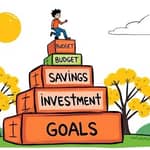
Personal finance is more than just managing money it is the art of crafting a life of stability and dreams. roadmap for your financial journey transforms anxiety into confidence by giving you control.
It involves planning every dollar to achieve long-term goals and daily peace. informed decisions are the foundation of this process, turning uncertainty into empowerment.
By following a structured approach, you can build wealth and navigate challenges. financial confidence comes from proactive steps and consistent habits that lead to freedom.
This guide serves as your compass, pointing you toward financial success. Let's explore the key elements that make up personal finance.
Understanding these components helps you assess where you stand. From there, you can chart a course forward with clarity and purpose.
Start by taking a comprehensive look at your finances. Review all income sources and monthly expenses.
Track this data using tools like spreadsheets or budgeting apps. comprehensive snapshot reveals patterns and areas for improvement.
Identify debts and assets to gauge your net worth. This baseline is essential for setting realistic goals and making progress.
Set specific targets to guide your financial actions. Distinguish between short-term and long-term aspirations.
Common goals include paying off credit card debt or saving for a home. emergency fund is often a top priority for security.
Clear goals provide direction and motivation. They turn abstract desires into actionable steps that you can achieve over time.
A budget is your plan for allocating income to expenses and savings. It ensures that every dollar has a purpose and supports your goals.
Use methods like the 50/30/20 rule for balance. budgeting and saving are not restrictive but empowering tools for choice.
Review your budget quarterly or after life changes. This keeps it relevant and adaptable to new circumstances.
Save enough to cover unexpected costs without derailing your plans. 3-6 months of living expenses is the recommended amount for security.
Keep this fund in a liquid account for easy access. It protects you from surprises like medical bills or job loss.
Prioritize this step before heavy investing. financial stability starts with a safety net that reduces stress.
Reduce high-interest debts to free up cash for other goals. Focus on credit cards or loans with the highest rates first.
Use strategies like the snowball or avalanche methods. debt management improves credit scores and increases disposable income.
Avoid maxing out credit cards and make on-time payments. Seek free credit counseling if needed to stay on track.
Regular contributions to investment accounts can multiply over time. compound interest impact means starting early yields significant rewards.
Diversify your portfolio with assets like stocks and bonds. diversify investments reduces risk and enhances potential returns.
For home buying, budget beyond the mortgage for taxes and maintenance. Investing builds wealth that supports long-term aspirations.
Estimate your monthly needs in retirement to guide savings. Contribute regularly to accounts and use catch-up options if over 50.
Review insurance and estate plans to protect your assets. estate plans ensure your wishes are honored for loved ones.
Consider 529 plans for children's college expenses. Work with financial advisors for complex situations to optimize your strategy.
Financial planning is an ongoing process, not a one-time task. Schedule quarterly or semi-annual check-ins to adapt to changes.
Stay informed through articles, courses, or professional advice. lifelong learning keeps you agile in a dynamic economic environment.
Embrace a mindset of continuous improvement. positive habits for financial freedom will guide you through both good and challenging times.
Your money compass is a tool for navigation, not a rigid map. Use it to direct your journey with confidence and resilience, building a future that aligns with your values and dreams.
References